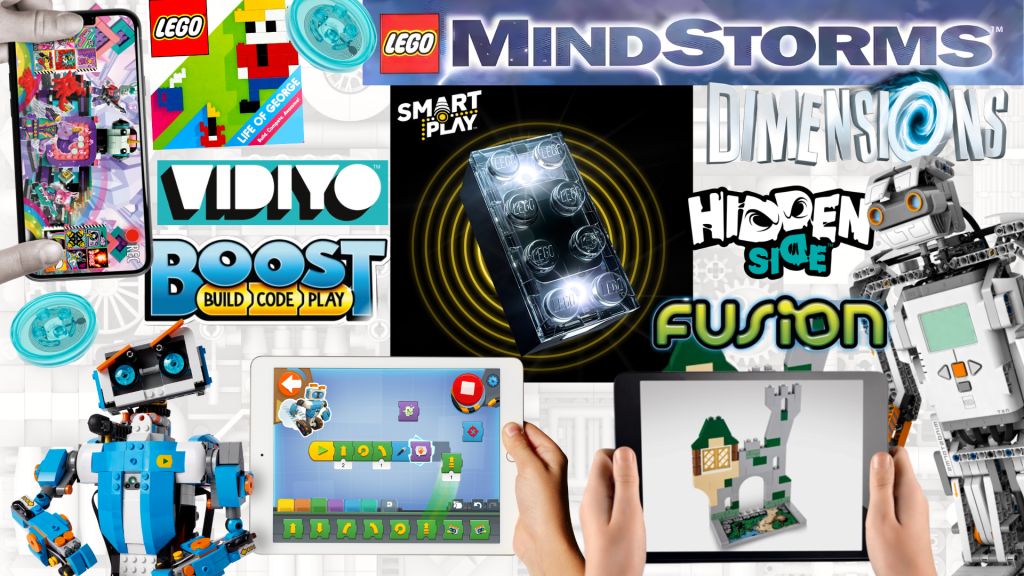
Nothing divides the LEGO community like the introduction of technology-based play systems – and the LEGO Group has had a long history of doing just that!
Starting way back in 1998, LEGO introduced the Mindstorms theme as a sub-theme of TECHNIC. Interestingly, Mindstorms is actually the longest-lived technology-based theme LEGO has ever developed, having been in production from 1998 all the way up until 2022! And on the whole, the theme was wildly popular among both children and adult hobbyists.
There have been quite a few less successful tech-based LEGO themes over the years though. The 2011 theme, Life of George, was designed to combine physical brick-building with a digital experience, which required the use of an app for users to scan their builds. It was discontinued in 2013.
Similarly, LEGO Fusion, which was introduced in 2014, required the use of a mobile app to digitally interact with physical builds and was discontinued in 2015.
That same year, in 2015, LEGO Dimensions brought physical LEGO models and minifigures to the Playstation 3 & 4, Xbox One & 360, and WiiU platforms. The game featured characters and worlds from 30 different franchises, including Ghostbusters, Dr. Who and Back to the Future. Sadly, this was another short-lived idea from LEGO, though, with production being cancelled in 2017.
LEGO Boost hit the market just as LEGO Dimensions was leaving it in 2017. The idea behind this theme was similar to Mindstorms, but targeted at younger builders. LEGO Boost allowed builders to learn basic coding in conjunction with a programming app to bring robotic builds to life. But by 2021, this theme too was cancelled.
Next came Hidden Side, a ghost-hunting theme that relied upon augmented reality to try to connect the digital world to the real world. This theme lasted only from 2019 to 2020.
Vidiyo attempted the same thing, using an app to allow builders to virtually interact with their creations, this time in a song-based world. Much like Hidden Side before it, Vidiyo came in 2021 and left in 2022.
And now, in 2026, LEGO has introduced their latest idea, SMART Play.
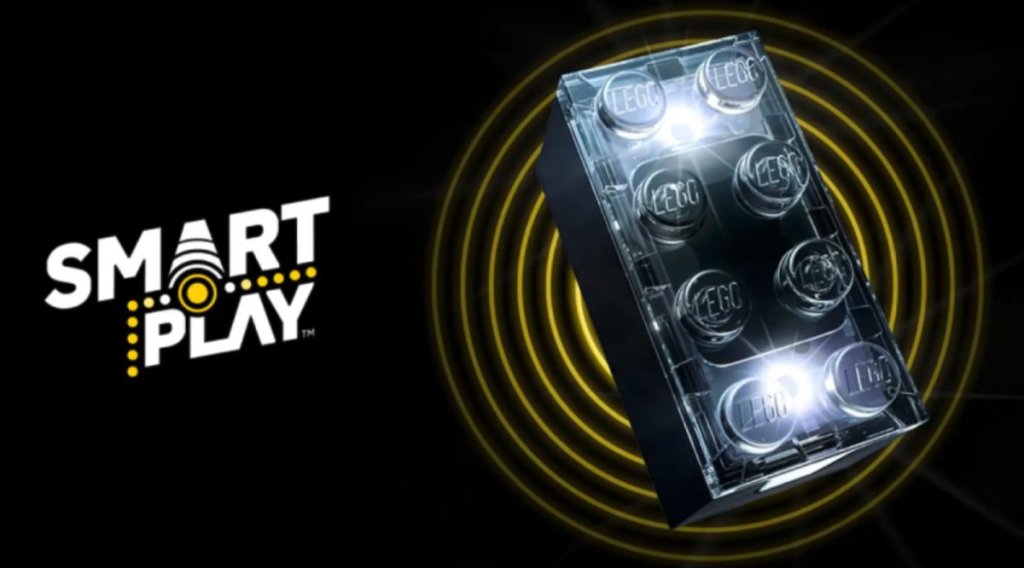
The idea behind this system is that the bricks and pieces themselves will actually be responsible for producing lights and sounds, which is a notable deviation from previous technology-centered themes produced by LEGO, most of which relied on a screen. The essential elements of the system include:

SMART Brick: a LEGO brick that contains sensors that react to movement, play sound, light up, and react to nearby “SMART Minifigures” and “SMART Tags”
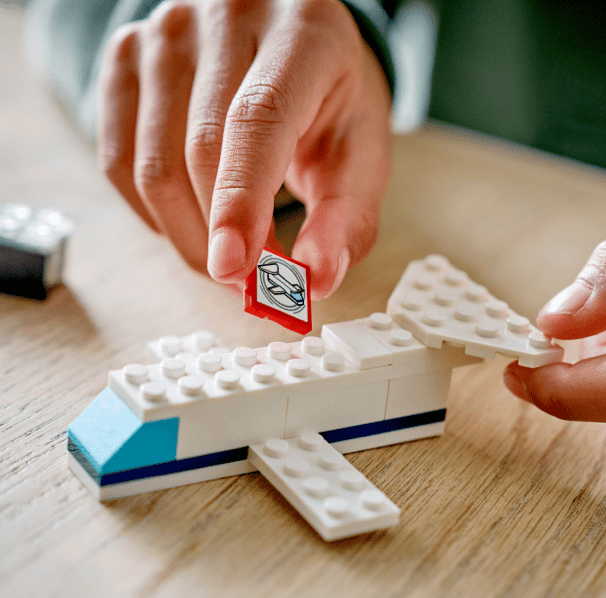
SMART Tag: specially-coded LEGO tile pieces which tell the SMART Brick how to behave, triggering light and sound effects

SMART Minifigures: specially-coded LEGO minifigures that trigger lights and sound effects with nearby SMART Bricks, much like the SMART Tag
On the surface, it sounds like an intriguing new system for creating interactive play. But the real question is will this hamper creativity by taking the “imagination” aspect out of play? The ability to have minifigures and tags trigger unique lights and sound effects is innovative and fun, to be sure. But haven’t kids always been able to create sound effects themselves, when building with LEGO?
Additionally, the barrier for entry into the SMART Play system seems a little bit high, as not every set includes the SMART Bricks and charger, which are an essential component to the entire system. Many of the sets that LEGO released on March 1 are only described as “SMART Play Compatible,” which means that in order to fully utilize the smart functions of these sets, an additional purchase of a “SMART Play All-in-One” set would be necessary – and those sets are all significantly more expensive!
Of course, only time will tell whether the SMART Play system becomes regarded as a success or failure. The track record over the last decade or so does not seem to lean in LEGO’s favor. But who knows? Maybe this will be the one that sticks.
 Obi-Wan Kenobricks
Leave a comment